Who this guide is for
Narrow feet, narrow heels, heel slipping, and shoes that feel loose.
Quick comparison
| Product lane | Best for | Size/fit notes | Price | Main benefit |
|---|---|---|---|---|
| Narrow-heel flats or loafers | heel slipping | Narrow widths or heel-grip friendly shapes | Varies by retailer | A closer heel cup and adjustable fit can stop shoes from sliding off. |
| Mary Jane or ankle-strap flat | low instep or narrow midfoot | Adjustable straps | Varies by retailer | A strap holds the shoe in place without relying only on heel width. |
| Oxford or lace-up dress shoe | narrow feet that need control | Laces and adjustable closures | Varies by retailer | Laces let you fine-tune the fit across the instep. |
Shopping lanes to build from
Use these shopping lanes as fit-first starting points. Confirm current size range, width options, heel height, shaft measurements, price, and return policy with the retailer before ordering.
How to use the product directions
Use the products or retailer links as examples of the fit lane described in the guide. The most important part is not the brand name. It is the feature the item is meant to demonstrate: rise, inseam, waistband shape, fabric weight, width option, shaft measurement, color direction, or closet function.
Before buying, check
- Whether the size chart includes the measurement that matters for your fit issue.
- Whether reviews mention the same concern you are trying to solve.
- Whether the fabric, stretch, heel height, width, or length supports your real lifestyle.
- Whether the return policy gives you enough room to test the item at home.
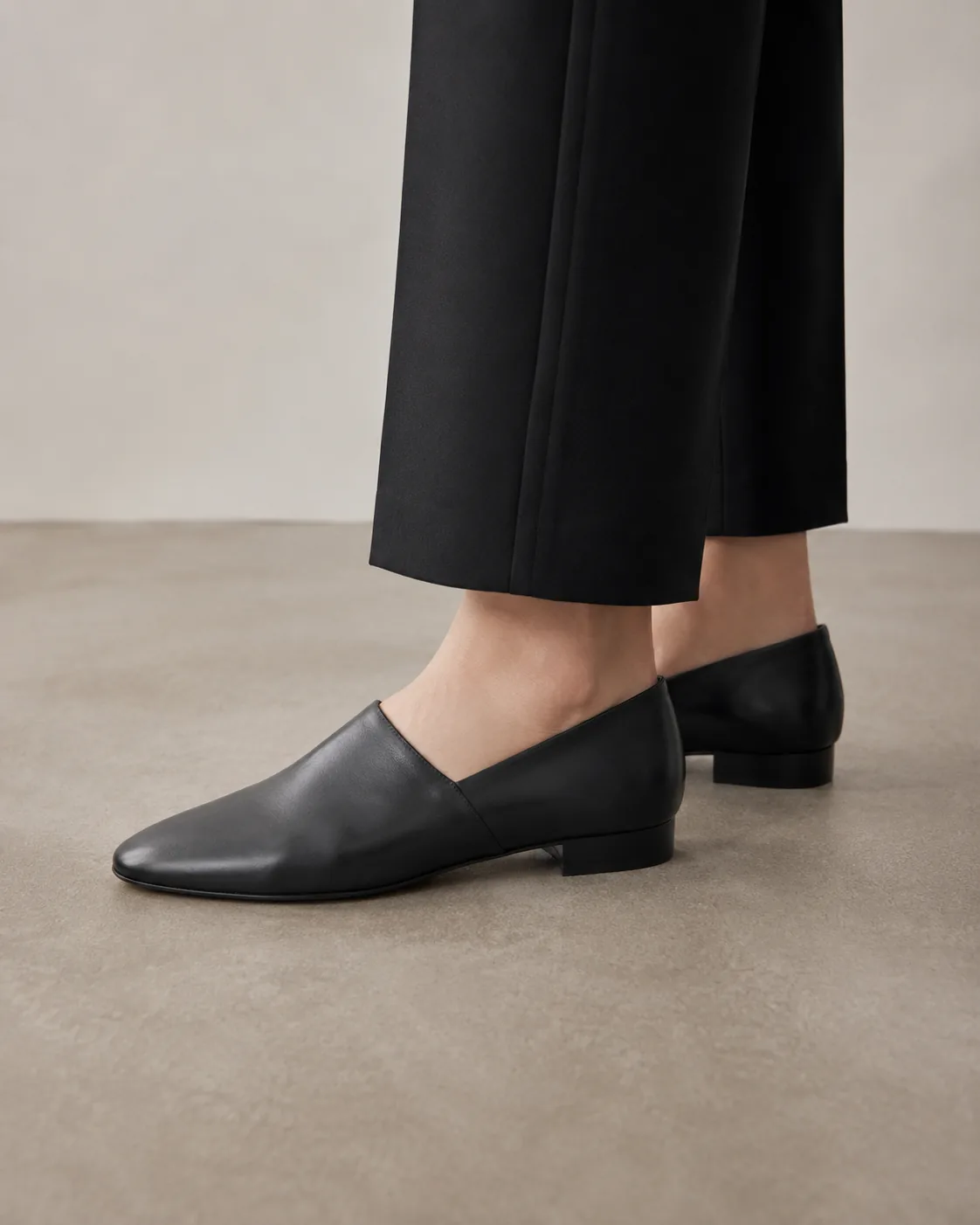
Narrow-heel flats or loafers
Best for: heel slipping
Why it works: A closer heel cup and adjustable fit can stop shoes from sliding off.
Watch out for: Toe boxes can still feel tight even when the heel fits.
Mary Jane or ankle-strap flat
Best for: low instep or narrow midfoot
Why it works: A strap holds the shoe in place without relying only on heel width.
Watch out for: Ankle straps can visually break the leg line if contrast is high.
Oxford or lace-up dress shoe
Best for: narrow feet that need control
Why it works: Laces let you fine-tune the fit across the instep.
Watch out for: Very stiff leather may need break-in time.
Fit checklist
- Measure both feet and use the larger foot as the starting point.
- Check width, heel security, toe-box shape, arch/instep comfort, and return policy.
- Try shoes with the socks, tights, insoles, or hem length you plan to wear.
- Match the shoe to your wardrobe role: everyday, work, dress, walking, event, or seasonal.
Related tools and guides
What narrow feet need from a shoe
Narrow feet often slip forward or lift at the heel even when the length is correct. The best shoe is not always a smaller size. Look for a secure heel cup, adjustable closures, narrower brands, and vamp placement that holds the foot without pinching.
What to look for
- Narrow sizing when available.
- Mary Jane straps, ankle straps, lace-up styles, and adjustable buckles.
- Loafers and flats with a higher vamp if heel slip is the main issue.
- Return policies that allow clean indoor try-on, because narrow fit is hard to judge from photos.
What to avoid
Avoid wide, shallow flats with no closure if they repeatedly fall off. Also avoid relying only on heel grips when the overall shoe shape is wrong. Inserts can help a close fit, but they cannot turn a very wide shoe into a narrow one.
FAQ
How should I use this guide before buying?
Use the fit notes to narrow your search by size, width, shape, fabric, rise, inseam, comfort, and return policy. Before buying, confirm the retailer’s current sizing, measurements, materials, and return details.
How do I avoid ordering the wrong size?
Measure both feet, read reviews for width and heel fit, check the brand size chart, and only test unfamiliar brands with a workable return policy.
How do shoes affect outfit proportion?
Shoe color, vamp, toe shape, ankle straps, heel height, and hem break can lengthen the line, interrupt it, or make the outfit feel more grounded.