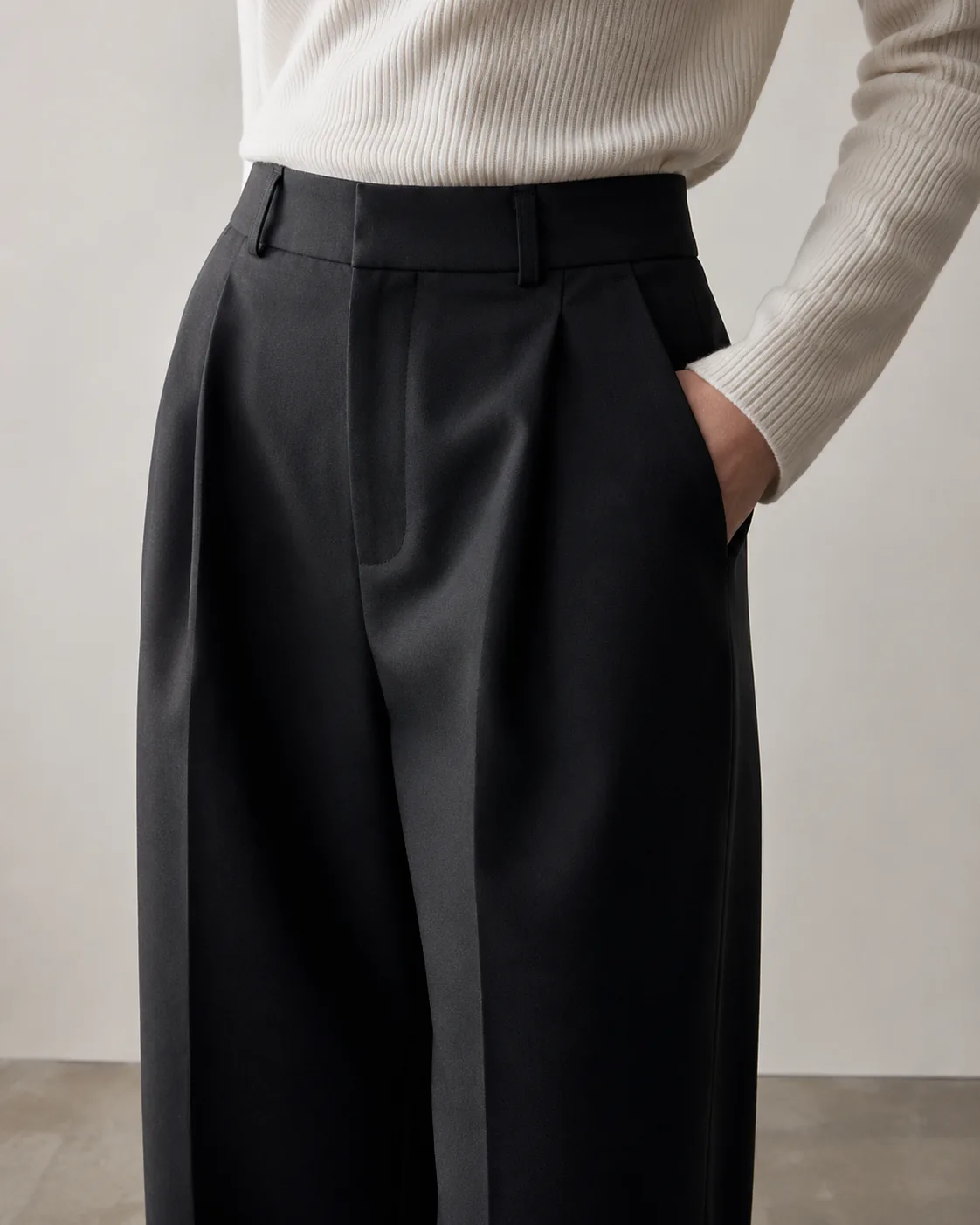
The best shopping path is tool → result → guide → product direction. Use this hub when you know what feels off but need a more precise buying lane.
Start with the guide that matches the problem.
Use these lanes to move from a fit issue, proportion note, color clue, or wardrobe gap into a useful guide. Product links, where included, are meant to support the guide with practical shopping direction.
Jeans for Your Shape
Rise, inseam, curve, leg shape, and waistband notes for a cleaner denim search.
ProportionLong Torso Picks
High-rise bottoms, shorter tops, jacket length, and outfit anchors that rebalance the line.
Pants fitWaist Gap Solutions
Curvy cuts, contoured waistbands, stretch recovery, and tailor-friendly trouser details.
Tall fitTall-Friendly Pants
Long inseams, full-length wide legs, linen trousers, and polished pant options.
WardrobeCapsule Wardrobe Basics
Core pieces that repeat across outfit formulas without making the closet feel generic.
Color cueColor Palette Staples
Neutrals, metals, contrast, and color families by undertone and wardrobe use.
Top fitBroad Shoulder Tops
Open necklines, sleeve cuts, soft structure, and balanced top shapes.
Dress fitRectangle Body Shape Dresses
Dresses with waist definition, vertical line, and shape-building details.
Summer fitLinen Pants and Summer Basics
Long-inseam linen, breathable trousers, and warm-weather closet anchors.
Shoe fitShoe Fit + Styling
Width, heel slip, toe box, calf fit, heel height, and shoe color notes.
Shoe sizeExtended-Size Women’s Shoes
Women’s 11+ shoes, lower heels, polished flats, boots, and dress options.
Shoe widthWide + Narrow Shoe Fit
Wide toe boxes, narrow heels, adjustable straps, heel grips, and fit-first shoe lanes.
How The Style Measure shopping guides are meant to be used
The shopping guides are not meant to be a list of random products. They are meant to help you shop by the problem you are solving: waist gap, long torso, broad shoulders, long inseam, olive undertone, wide feet, narrow feet, extended shoe sizing, or a wardrobe gap that keeps repeating.
Before looking at a link, read the fit notes. A product direction is useful only if it matches your measurements, proportions, budget, lifestyle, and return-policy needs. If a guide mentions curvy denim, wide-leg jeans, wide-width shoes, or closet tools, the recommendation is there to support the lesson, not replace your judgment.
How recommendations are selected
- Fit issue first: the guide starts with the body, shoe, color, or wardrobe problem the item is meant to solve.
- Measurement-aware: rise, inseam, width, shaft circumference, and size range are prioritized when they matter.
- Wardrobe usefulness: items are favored when they can repeat across real outfits instead of solving only one look.
- Practical caution: each product direction includes what to check before buying, such as fabric, stretch, reviews, and return policy.
Shop by fit problem
- For pants, compare waist, hip, rise, inseam, leg opening, and fabric recovery.
- For tops, compare shoulder seam, neckline, sleeve shape, bust room, and hem length.
- For shoes, compare width, toe box, heel security, arch comfort, shaft height, and calf circumference.
- For color, compare the item against your best neutrals and face-framing shades.