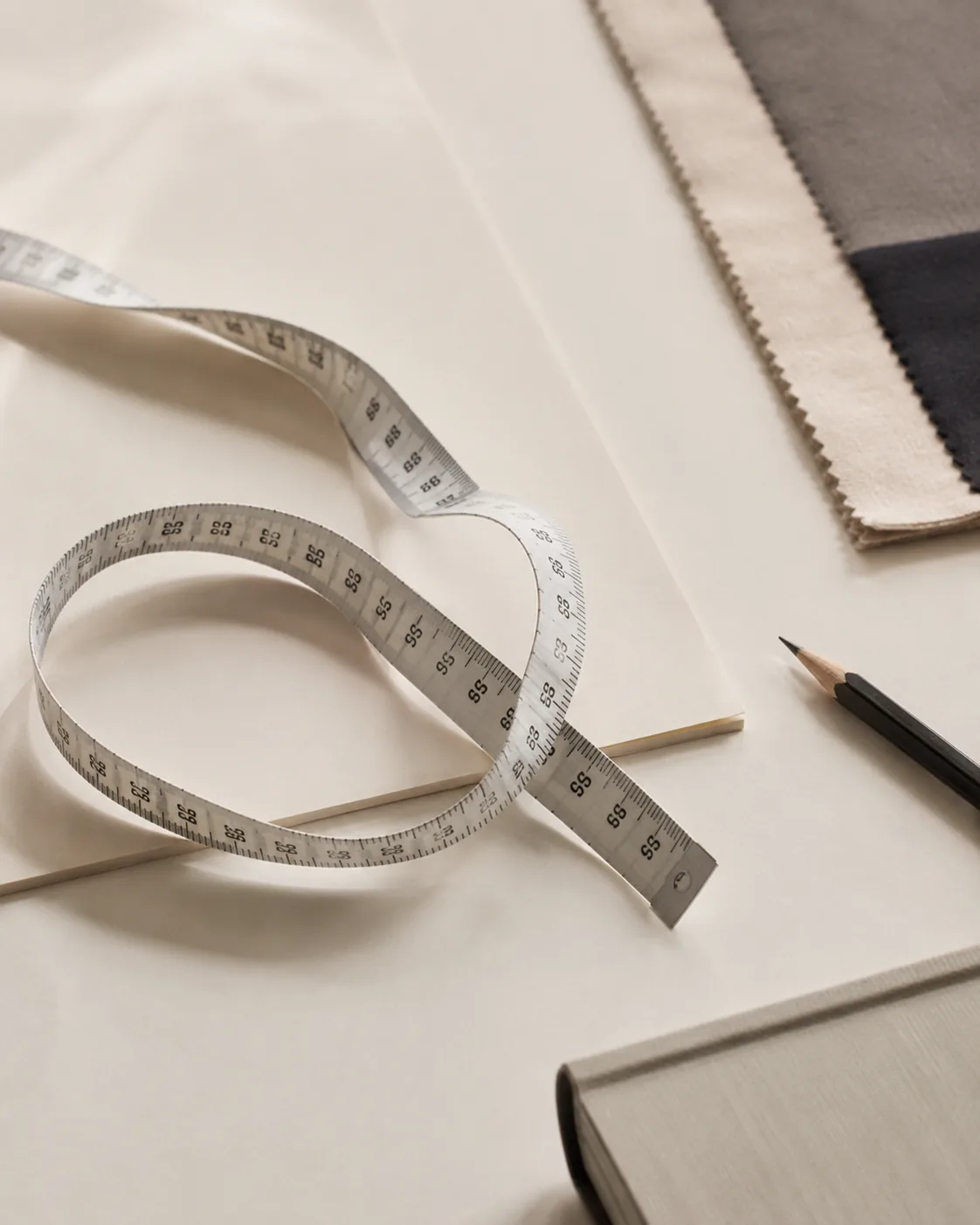
The Style Measure fit checklist
A good outfit usually fails in one of five places: rise, inseam, shoulder fit, fabric, or length. These details are not as exciting as a new trend, but they explain why a piece can be beautiful and still not work. The Style Measure fit checklist is designed to slow the shopping decision down enough to catch the issue before you keep another almost-right item.
Use this checklist when you are trying on clothes, reviewing an online size chart, or deciding whether to tailor, return, or replace something. It works for wardrobe basics, statement pieces, workwear, denim, dresses, shoes, and outerwear because it focuses on how the item behaves on the body.
| Fit point | What to ask | Common clue | Next step |
|---|---|---|---|
| Rise | Where does the waistband land? | Torso feels cut off or legs feel shortened | Try a different rise or top length |
| Inseam | Does the hem work with the shoe? | Pants drag, hover, or look accidentally cropped | Change inseam or shoe height |
| Shoulder fit | Can you move without pulling? | Upper back strain, sleeve twist, shoulder drop | Try different cut, size, or fabric |
| Fabric | Does it skim, hold, or cling? | Wrinkles, collapse, pulling, bagging | Choose different weight, weave, or stretch |
| Length | Where does the garment stop? | Hem hits widest point or breaks line awkwardly | Alter, tuck, crop, or choose a different silhouette |
1. Rise: the waistband decision
Rise affects torso balance, waist definition, and leg line. A high rise can lengthen the legs, but it can also crowd a short torso. A mid rise can feel relaxed, but it may sit too low on a long torso. The right rise is the one that supports the outfit formula and stays comfortable when you sit, bend, and walk.
- Check front rise and back rise when listed.
- Notice whether the waistband gaps, rolls, digs, or slides.
- Try the pant with the tops you actually wear most often.
2. Inseam: the hem and shoe relationship
Inseam should be judged with shoes. A full-length wide-leg trouser, cropped jean, straight pant, and flare each need a different hem relationship. If a pant looks wrong, do not assume the silhouette is bad until you test the length.
- Measure a pair of pants that already works.
- Keep separate inseam notes for flats, sneakers, boots, and heels.
- Check whether the retailer offers petite, regular, tall, long, or extra-long lengths.
3. Shoulder fit: the frame of the top half
Shoulder fit controls how polished a top, blazer, coat, or dress feels. A shoulder seam that pulls inward can make the garment look too small. A seam that falls too far down can add width or make the garment look sloppy, depending on the intended cut.
- Reach forward and lift your arms before deciding.
- Check whether the sleeve twists or pulls across the upper arm.
- For broad shoulders, look for clean lines rather than extra shoulder detail.
4. Fabric: structure, drape, stretch, and recovery
Fabric decides whether a silhouette holds its shape. Thin jersey may cling. Stiff cotton may tent. Heavy denim may structure the body but feel restrictive. A soft crepe may drape beautifully but show lines if the cut is too close. Always judge the cut and fabric together.
- Look for recovery in stretch denim and ponte.
- Choose more weight when you want skim instead of cling.
- Choose drape when you want movement instead of boxiness.
5. Length: where the eye stops
Length matters for tops, jackets, skirts, dresses, pants, and sleeves. A top that ends at the widest hip point may feel heavy. A jacket that is too long for a wide-leg pant may collapse the outfit. A dress hem that hits at an awkward point may need a different shoe, not a different body.
- Check top length with your preferred rise.
- Check jacket length with the bottom silhouette you wear most.
- Check dress and skirt length with the shoe you plan to wear.
Common mistakes
- Keeping an item because the color is right even when the fit problem repeats.
- Buying a different size when the real issue is rise, fabric, or proportion.
- Judging pants barefoot when you will never wear them barefoot.
- Ignoring shoulder movement because the front view looks fine.
- Assuming tailoring can fix every issue. Tailoring helps most when the main structure already works.
FAQ
What should I check first in a fitting room?
Check the part that is hardest to alter: shoulders, hip, seat, bust, calf, or foot width. Then judge length, styling, and tailoring.
Can tailoring fix poor fit?
Tailoring can improve length, waist, hems, and small refinements. It cannot always fix poor shoulder structure, insufficient hip room, bad fabric, or uncomfortable shoe shape.
How do I use this checklist online?
Compare the product measurements with your fit anchors, read reviews for the same issue, and only order when the return policy gives you room to test the item properly.