Who this guide is for
This guide is for anyone trying to turn a style question into a practical next step. It works especially well when you compare the advice with your measurements, try-on photos, and real closet habits.
The main problem explained
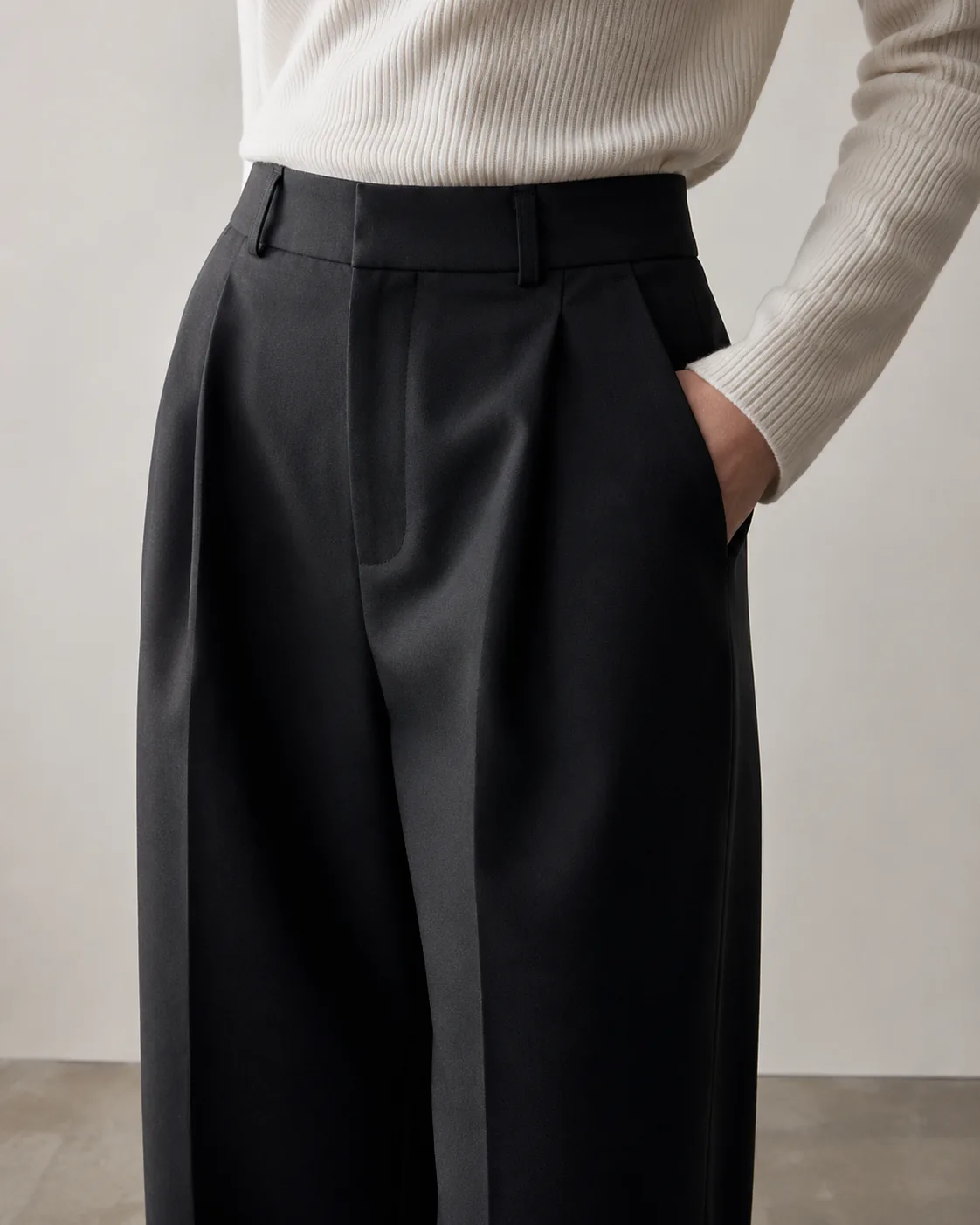
Rise is a comfort measurement and a visual proportion tool. Learn how to choose it based on torso, seat, waist, and outfit line. The goal is not to force a label. The goal is to understand the clue clearly enough to shop, tailor, or style with more intention.
What to wear or test first
- Start with one change at a time: rise, length, neckline, fabric weight, color depth, or outfit formula.
- Take a quick mirror photo in consistent lighting so you can compare proportion and color honestly.
- Use your Style Measure result as a filter, then adjust for comfort, budget, and personal taste.
What to avoid
- Avoid using trend language as the only filter. It may not solve the actual fit or style issue.
- Avoid buying more versions of the piece that already fails in your closet.
- Avoid overcorrecting with extremes when a small fit or styling adjustment would solve the issue.
Outfit formulas
- Clean base + intentional finish: choose one strong foundation piece, then add the detail that matches your result.
- Proportion first: set waist placement, hem length, and shoe shape before judging the whole outfit.
- Color cue: repeat one face-framing color or neutral so the outfit feels connected.
Shopping checklist
- Search terms: front rise, back rise, waist placement, seat comfort.
- Check size chart measurements, not just product photos.
- Read reviews for repeated fit comments.
- Save search phrases that consistently bring up better options.
Why pants rise changes the whole outfit
Rise controls where the waistband sits, how long the torso appears, how the leg line begins, and where a tucked top creates visual structure. A rise that is technically high on the size chart may still feel wrong if it lands above or below your natural bend point.
Instead of choosing low, mid, or high rise by trend, compare the rise to your torso length and the outfit formula you want. A long torso may benefit from a higher rise because it raises the visual waist. A short torso may need a mid rise or a softer waistband to avoid crowding the ribcage. A balanced torso can usually wear more rise options, but fabric and waistband shape still matter.
Use rise to solve a specific issue
- Waist gap: look for contoured waistbands, curvy fits, and stretch recovery before sizing down.
- Back bunching: compare back rise, seat room, and fabric stiffness.
- Shortened leg line: test a slightly higher rise with a longer inseam and lower-contrast shoe.
- Torso crowding: try a mid rise, softer waistband, or top worn untucked at a precise length.
What to avoid when choosing rise
Avoid assuming the same rise number works across every silhouette. An 11-inch rise in rigid denim, pull-on linen, and soft trouser fabric can look and feel different. Also avoid buying pants only because the front looks good. Sit down, check the back view, and look at how the waistband behaves after movement.
Practical try-on test
- Sit, bend, and walk before judging the waistband.
- Try the pant with the top length you actually wear most.
- Check whether the pocket placement pulls or flares.
- Compare one size up with tailoring against one size down with pulling.
Free shopping search phrases
Open the shopping search phrases instantly, then print or save them before your next shopping session.
Instant access. Email is optional.How to use the product directions
Use the products or retailer links as examples of the fit lane described in the guide. The most important part is not the brand name. It is the feature the item is meant to demonstrate: rise, inseam, waistband shape, fabric weight, width option, shaft measurement, color direction, or closet function.
Before buying, check
- Whether the size chart includes the measurement that matters for your fit issue.
- Whether reviews mention the same concern you are trying to solve.
- Whether the fabric, stretch, heel height, width, or length supports your real lifestyle.
- Whether the return policy gives you enough room to test the item at home.
Related products
Abercrombie Curve Love High Rise Wide Leg Jean
Best for: waist gap, curve through hips, longer leg line
Why it works: The contoured waist and wider leg can help the waist, hip, and thigh read more balanced.
Watch out for: Long and extra-long inseams can sell out quickly.
Madewell Curvy Perfect Vintage Wide-Leg Jean
Best for: waist definition with hip room
Why it works: Curvy cuts are useful when the waistband gaps but the hip or thigh needs room.
Watch out for: Check fabric stretch level; rigid denim may need size testing.
Best rises by torso length
| Torso clue | Rise to test first | What to watch |
|---|---|---|
| Short torso or little space between ribs and waist | Mid rise or soft high rise | A waistband that crowds the ribcage or makes tops hard to tuck |
| Long torso or high rises feel like mid rise | High rise or ultra high rise | Whether the rise actually reaches your preferred waist point |
| Balanced torso | Mid to high rise | Fabric, seat room, and waistband shape may matter more than rise label |
| Curvier hip with waist gap | Contoured high or mid rise | Back waistband gap, pocket pull, and stretch recovery |
FAQ
How should I use this guide?
Use it as a starting point, then compare it with your actual measurements, preferences, and outfit photos.
Should I follow every recommendation?
No. Style guidance is a decision tool. Keep what helps, skip what does not match your life or taste.
Where should I go next?
Take the matching Style Measure tool, then move to a shopping guide when you know what you are trying to solve.