Who this guide is for
This guide is for shoppers who want a more deliberate buying path. Instead of starting with trend, it starts with the fit, color, proportion, or closet problem the item needs to solve.
Quick comparison
| Product | Best for | Size range | Price | Main benefit |
|---|---|---|---|---|
| Soft Body Measuring Tape Set | body measurements and garment checks | 60 inch / 150 cm common | About $5–$15 | Body-safe measuring |
| Full-Length Mirror | outfit photos and proportion checks | Varies | About $50–$200 | Better visual checks |
| Flat Ruler or Yardstick | measuring rise, inseam, and garment width flat | 12–36 inch | About $5–$20 | Garment measurement consistency |
| Phone Tripod with Remote | consistent try-on photos | Varies | About $20–$60 | Consistent outfit photos |
| Printable Measurement Worksheet | tracking measurements and garment notes | Printable | Free–$10 | Fit notes in one place |
How to use the product directions
Use the products or retailer links as examples of the fit lane described in the guide. The most important part is not the brand name. It is the feature the item is meant to demonstrate: rise, inseam, waistband shape, fabric weight, width option, shaft measurement, color direction, or closet function.
Before buying, check
- Whether the size chart includes the measurement that matters for your fit issue.
- Whether reviews mention the same concern you are trying to solve.
- Whether the fabric, stretch, heel height, width, or length supports your real lifestyle.
- Whether the return policy gives you enough room to test the item at home.
Recommended product directions
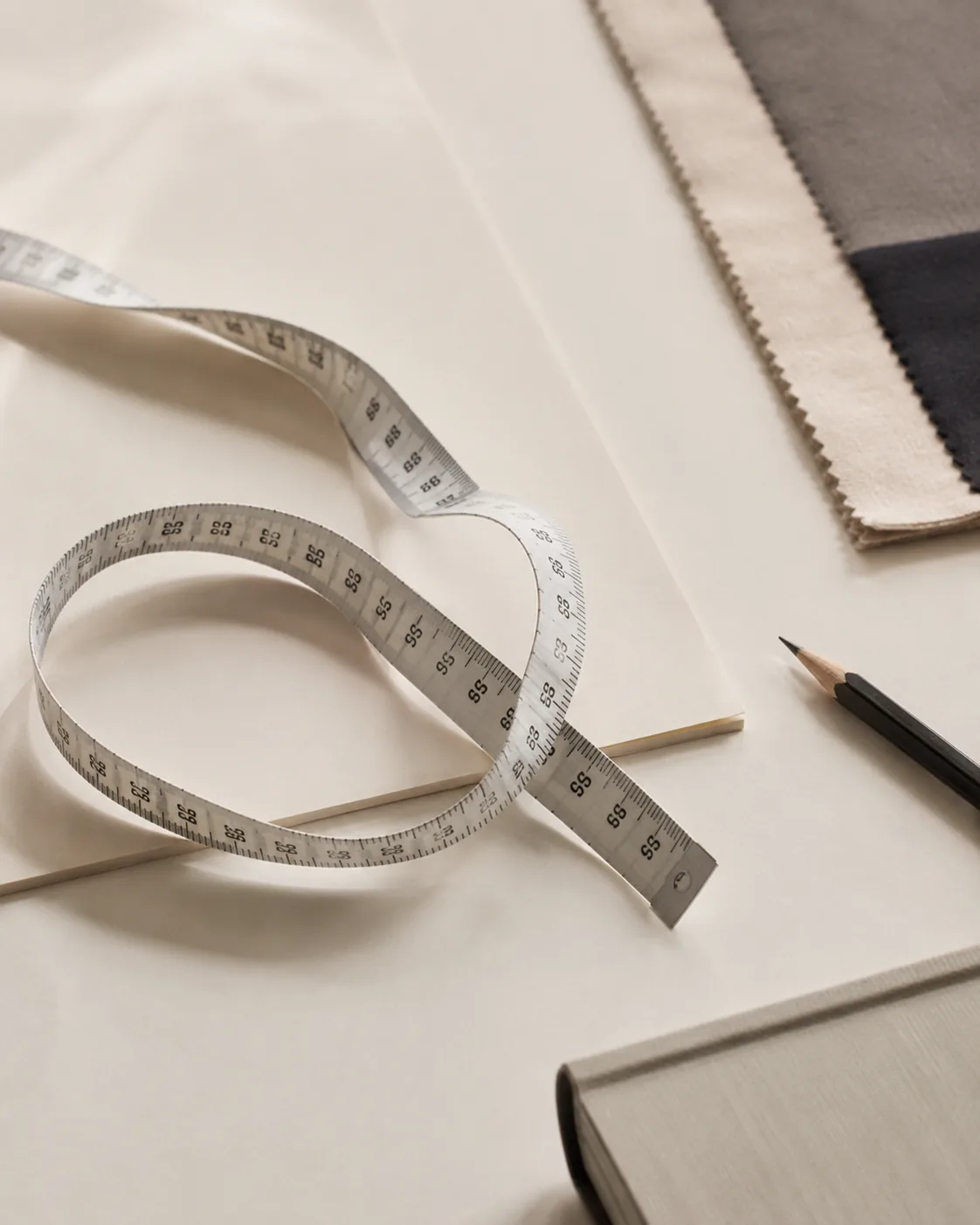
Soft Body Measuring Tape Set
Best for: body measurements and garment checks
Why it works: Soft tape bends around curves and helps compare actual fit numbers.
Watch out for: Avoid stretched-out tapes.
Full-Length Mirror
Best for: outfit photos and proportion checks
Why it works: A full view helps you evaluate vertical line, hems, and balance.
Watch out for: Tilted mirrors can distort proportion.
Flat Ruler or Yardstick
Best for: measuring rise, inseam, and garment width flat
Why it works: Flat tools help compare clothing measurements consistently.
Watch out for: Use the same method each time.
Phone Tripod with Remote
Best for: consistent try-on photos
Why it works: Same angle photos make it easier to compare fit and proportion.
Watch out for: Keep camera at mid-body height to reduce distortion.
Printable Measurement Worksheet
Best for: tracking measurements and garment notes
Why it works: A written system helps you remember which rise, inseam, and widths work.
Watch out for: Update after body or preference changes.
Fit notes to check before buying
- Measure your body and your best-fitting clothes.
- Photos are more helpful when taken consistently.
- Garment measurements are often more useful than size labels.
Use with care / avoid if
- Measuring over bulky clothing.
- Comparing one brand’s size label to another without measurements.
- Relying on a mirror angle that distorts proportion.
Shopping checklist
- Confirm the actual measurements: inseam, rise, shoulder width, garment length, or size chart depending on the item.
- Read reviews for fit patterns: waist gap, shrinkage, transparency, cling, shoulder tightness, or length.
- Check return policy before testing a new brand or silhouette.
- Use your Style Measure result as the filter, not the final rule.
Free shopping search phrases
Open the shopping search phrases instantly, then print or save them before your next shopping session.
Instant access. Email is optional.Related tools and guides
FAQ
How should I choose between these options?
Start with the fit issue you are solving, then check measurements, fabric content, return policy, and reviews before ordering.
Are these exact products always available?
Availability, colors, lengths, and prices can change. Use the product names and search notes as a shopping direction, then confirm details with the retailer.
Should I buy only from this list?
No. Use the criteria in the guide to compare other options. The best choice is the one that matches your proportions, style direction, and budget.